

To create and manage a successful guild in World of Warcraft, start by choosing your guild’s focus: raiding, PvP, or casual play. Understand member expectations and commitment levels to guarantee alignment. Craft a detailed guild charter and recruit members who share your values, prioritizing quality over quantity.
Establish clear, concise rules regarding participation, communication, and loot distribution. Plan and host events, setting suitable dates and communicating details in advance while being prepared to adapt. Manage guild resources by setting up a guild bank with clear rules and tracking contributions. With these strategies, you’ll foster a thriving guild community. For more insights on elevating your guild’s success, there’s much more to uncover.
Key Takeaways
- Define your guild’s focus and objectives clearly, whether it’s raiding, PvP, or casual play.
- Craft a detailed guild charter that outlines rules, expectations, and the guild’s culture.
- Prioritize recruiting members who align with your guild’s values and objectives, focusing on quality over quantity.
- Establish clear communication guidelines and plan regular events to foster community and teamwork.
- Manage guild resources effectively through a well-organized guild bank and reward members for their contributions.
Choosing Your Guilds Focus
Deciding on your guild’s focus is the first essential step in carving out its identity within the World of Warcraft universe. Whether you’re leaning towards forming a raiding guild, pvp guilds, or a more laid-back casual guild, the type of guild you decide on will shape your activities, strategies, and how you interact within the game. As a guild leader, it’s important to understand the expectations and commitment levels of your members.
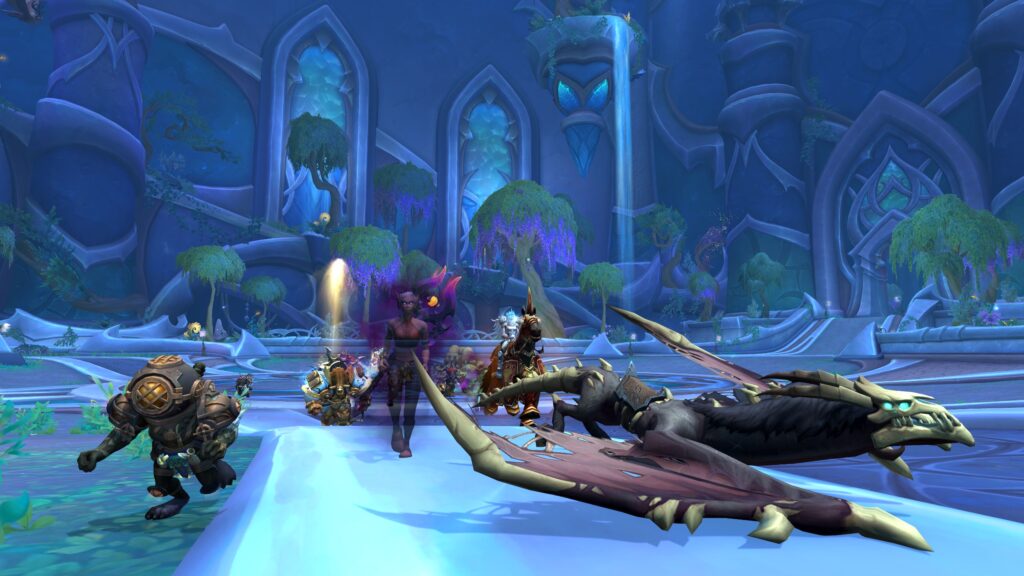
For those drawn to the thrill of competition, pvp guilds offer a chance to test skills against other players. If you’re more into collaborative challenges, a raiding guild focused on conquering the game’s toughest dungeons may be your calling. However, larger guilds often require more management and coordination, especially when scheduling events that fit everyone’s timetable.
On the other hand, casual guilds and social guilds prioritize enjoyment and camaraderie over high-stakes competition. These types of guilds are perfect for players looking for a relaxed gaming experience where they can connect with others without the pressure of constant progression.
Recruiting the Right Members
After establishing your guild’s focus, you’ll need to concentrate on recruiting the right members who align with your goals and values. Crafting a detailed guild charter is a great first step. It outlines what your guild stands for and helps potential members understand if they’re a good fit. When it comes to guild applications, don’t shy away from asking meaningful questions. These can range from their playing style to how they handle conflict. This process guarantees you’re not just filling slots but building a community.
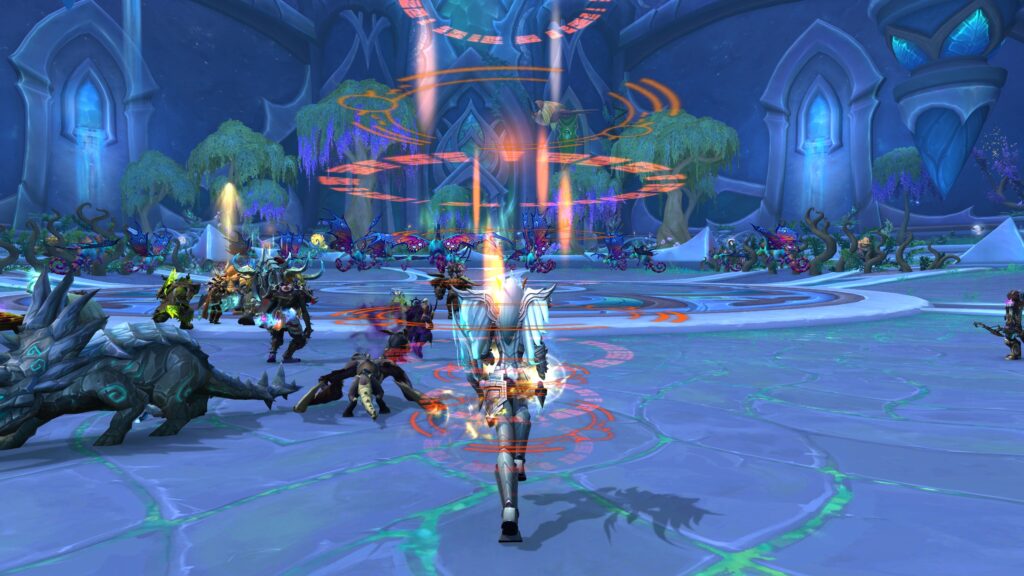
Utilizing domain forums can also be a goldmine for recruitment. Regularly posting updates about your guild’s achievements and open positions can attract like-minded players. Remember, it’s not just about quantity but quality. You’re looking for members who will contribute positively to the guild’s atmosphere and objectives.
From time to time, you may find that revisiting your recruitment strategy is necessary. The game evolves, and so should your approach to bringing in new members. Keeping your guild charter updated and engaging with the community on domain forums can keep the pipeline of potential recruits full and flowing with players who are excited to contribute to your guild’s success.
Establishing Guild Rules
Crafting clear and concise guild rules is crucial to maintaining harmony and ensuring everyone’s on the same page. As you’re creating these rules, it’s important to cover all necessary aspects without making them overly complicated. Start by defining the core values and objectives of your guild. Are you focused on raiding, PvP, or is it a social guild? This will guide the tone and content of your rules.
Next, tackle attendance and participation expectations. If you’re running a raiding guild, specify how often members need to participate in raids to remain in good standing. However, remember to be realistic and considerate of members’ real-life commitments.

Communication is another critical area. You’ll want to establish guidelines around how members should communicate, including the use of voice chat during raids or events and expectations around respect and behavior in guild chats.
Loot distribution rules are also crucial, especially for raiding guilds. Decide on a system that’s fair and transparent, whether it’s loot council, DKP, or EPGP, and explain it clearly in your rules.
Planning and Hosting Events
Starting off successful guild events in World of Warcraft demands careful planning and organization. You’ve got to set a date and time that works for most of your guild members. Remember, everyone’s in different time zones, so try to find a sweet spot that accommodates as many people as possible.
Once you’ve got the timing down, it’s time to pick the event. Are you going for a raid, a dungeon run, or maybe something more relaxed like a scavenger hunt or a fishing contest? Make sure it’s something that’ll interest the majority of your guild, or you might end up hosting a party of one.
Communication is key. Use your guild’s preferred method, be it Discord, in-game chat, or an external forum, to announce the event well in advance. Provide all the necessary details: what, when, where, and any requirements for participation.
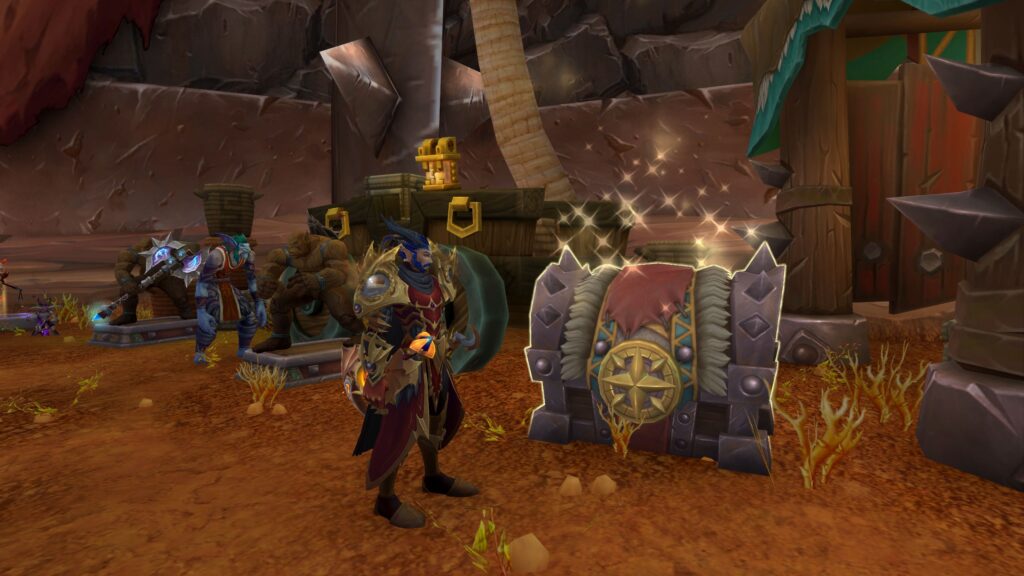
Preparation is essential, especially for more challenging events like raids. Guarantee everyone’s on the same page with strategies and gear requirements. It might be helpful to organize a few practice runs before the main event.
Lastly, be flexible. Things don’t always go as planned, and that’s okay. The goal is to have fun and strengthen your guild’s camaraderie, so roll with the punches and enjoy the chaos that inevitably comes with group activities in World of Warcraft.
Managing Guild Resources
Managing your guild’s resources in World of Warcraft requires a vital understanding of both in-game economies and member contributions. You’ve got to keep a tight ship, making sure that resources like gold, crafting materials, and raid items are well accounted for. It’s not just about hoarding; it’s about smart allocation.
First off, set up a guild bank with clear rules. Decide who can access what and when. It’s essential to track contributions and withdrawals, keeping everyone honest and the guild bank healthy. You’ll want a dedicated officer or two to manage this, someone who’s got an eye for detail and isn’t afraid to crunch numbers.
Next, think about your guild’s goals. Are you raiding? Focusing on PvP? This determines what resources you’ll prioritize. For raiding, you’ll need consumables and gear repairs. PvP might require different strategies and resource allocation. Make sure you’re investing in what advances your guild forward.
Lastly, don’t forget about your members’ contributions. Whether it’s time, gold, or materials, acknowledge and reward their efforts. It’ll keep morale high and ensure a steady flow of resources. Remember, a successful guild is more than just its leader; it’s a community working together towards common goals.
Frequently Asked Questions
How Do You Handle Conflicts Between Guild Members to Maintain a Positive Environment?
To handle conflicts between members, you’ll want to address issues quickly and fairly. Listen to both sides, encourage open communication, and mediate to find a resolution. It’s key to maintaining a positive guild environment.
What Are Effective Strategies for Motivating Guild Members to Participate Actively in Guild Activities?
Imagine you’re a captain rallying your crew for an adventure; that’s how you should inspire your guild. Set clear goals, offer rewards, and create a fun, inclusive environment. Everyone’s more active when they’re engaged and valued.
How Can a Guild Leader Manage Burnout, Both for Themselves and for Their Guild Members?
To manage burnout, you’ve gotta encourage breaks and fun, non-grindy activities. Rotate tasks among members to keep things fresh. For yourself, delegate responsibilities and take time off. It’ll help keep everyone’s spirits up.
In What Ways Can Guilds Engage With the Broader World of Warcraft Community to Enhance Their Reputation and Attract Potential Members?
To elevate your guild’s rep and draw in new members, you’ll want to mingle in the broader WoW community. Hosting events, collaborating on raids, and sharing knowledge on forums can really set you apart.
What Are the Best Practices for Transitioning Leadership in a Guild Without Causing Disruption or Loss of Momentum?
When changing leadership in a group, it’s crucial to communicate clearly, plan the shift with care, and make certain everyone’s on the same page to prevent disruption and keep the momentum going strong.
Conclusion
To conclude, constructing and leading a successful World of Warcraft guild hinges on a mix of clear focus, strategic member recruitment, solid rules, engaging events, and wise resource management. Remember, Rome wasn’t constructed in a day.
Patience and perseverance are key. With commitment and the right strategies, you’ll nurture a guild that’s not just a group of players, but a formidable force and a close-knit community. Begin on this journey with confidence, and watch as your guild flourishes.