
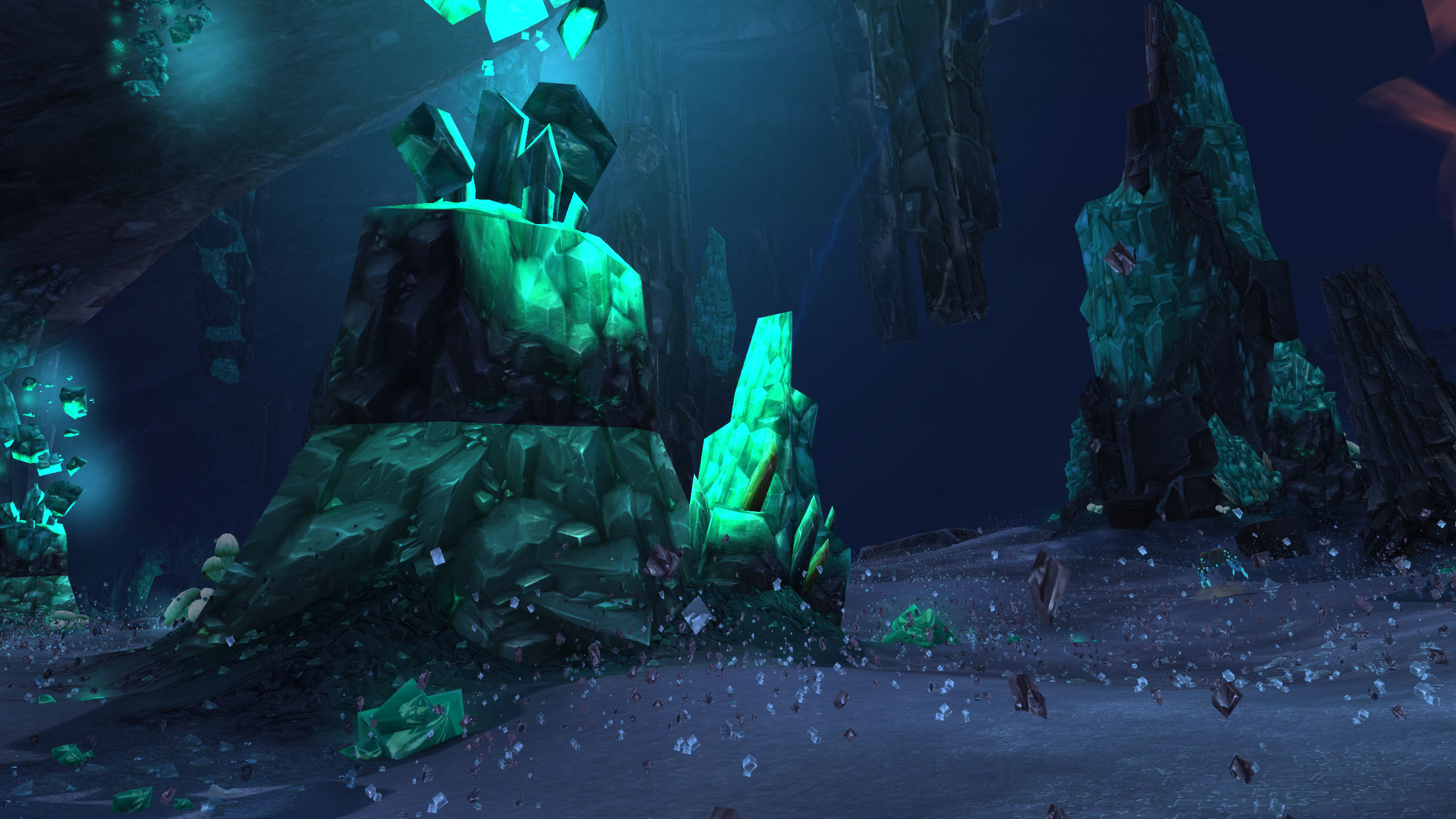
Environmental storytelling has always been one of Blizzard’s most powerful tools. Instead of relying on dialogue or exposition, the world speaks through its landscapes — ruins, lighting, sound, placement of objects, and subtle visual cues. These details create emotional narratives that players feel instinctively, long before they understand the lore behind them. From collapsed temples to peaceful groves untouched by conflict, the environment builds atmosphere that shapes how players interpret each expansion’s themes.
This article explores how the environment communicates emotion, how silent storytelling increases immersion, and why the world remains one of Blizzard’s most expressive storytellers.

Visual Atmosphere That Shapes Emotion Instantly
When players enter a new zone, the opening view often reveals the emotional tone of the entire region. Lighting, color palettes, weather, and terrain all work together to communicate mood before any quest begins. A broken coastline lit by a dying sun tells a story of loss; a peaceful valley bathed in warm light suggests renewal. These impressions guide player expectations and shape emotional engagement without a single line of text.
Visual atmosphere acts as a silent narrator.
Objects as Story Fragments
Environmental storytelling often relies on the smallest details — a broken banner, a worn weapon left in the dirt, an abandoned journal on a table, or a collapsed wagon resting along a forgotten road. These objects hint at events that have already happened, encouraging players to imagine the unseen story. The world feels alive because every object suggests a life connected to it.
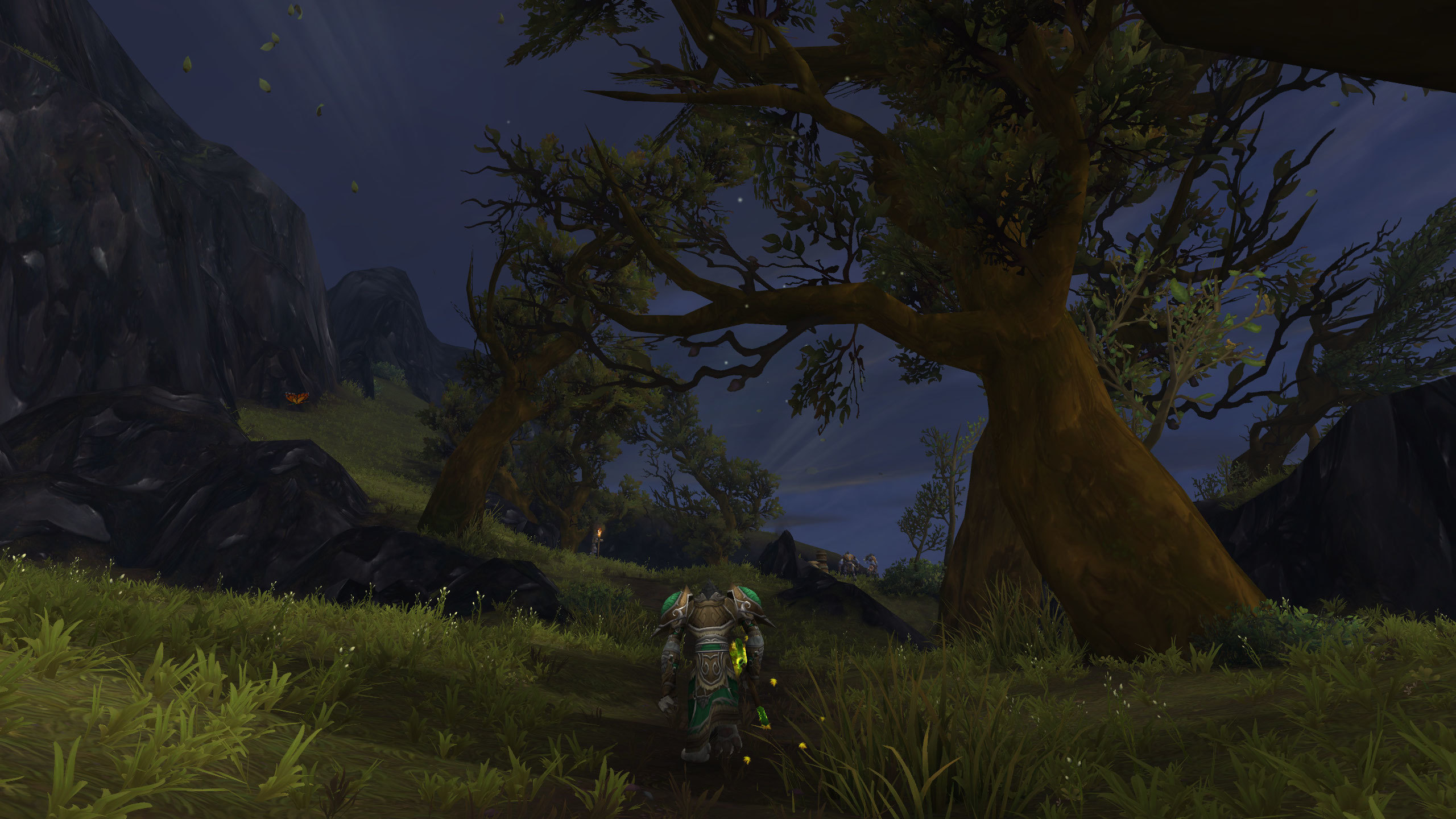
To illustrate how objects build narrative meaning, here is a simple overview:
- Abandoned camps: Evidence of hasty retreat or sudden danger
- Weathered monuments: Cultural pride or forgotten history
- Destroyed structures: Silent proof of conflict or decay
- Unlit torches and worn paths: Signs of places once inhabited
- Personal belongings: Emotional clues about vanished characters
Soundscapes That Deepen the Narrative
Sound design plays a crucial role in silent storytelling. The rustle of distant foliage, echoes in a vast cavern, gentle rainfall on stone, or the eerie hum of arcane magic communicates emotion instantly. These soundscapes immerse players in the tone of the environment, making the world feel alive even in the quietest moments. The environment becomes a character speaking through sound rather than speech.
Silence becomes meaningful when paired with atmosphere.
Ruins as Emotional Landmarks
Ruined zones hold some of the strongest examples of environmental storytelling. Whether ancient or newly destroyed, ruins speak of civilizations lost, wars fought, or tragedies unspoken. Players read these landscapes like open books — interpreting damage, collapse patterns, and surviving details to piece together forgotten events. These ruined spaces often become player favorites because they invite interpretation and emotional investment.

History survives through the remains it leaves behind.
Why Environmental Storytelling Works So Well
The environment resonates because it is universal. Players of any background or skill level can understand emotional tone through visual and auditory cues. Ambience transcends language, making the experience feel personal and instinctive. By allowing players to infer their own interpretations, environmental storytelling deepens immersion and ensures that every journey feels meaningful.
The world tells its story quietly — and players listen.
Conclusion
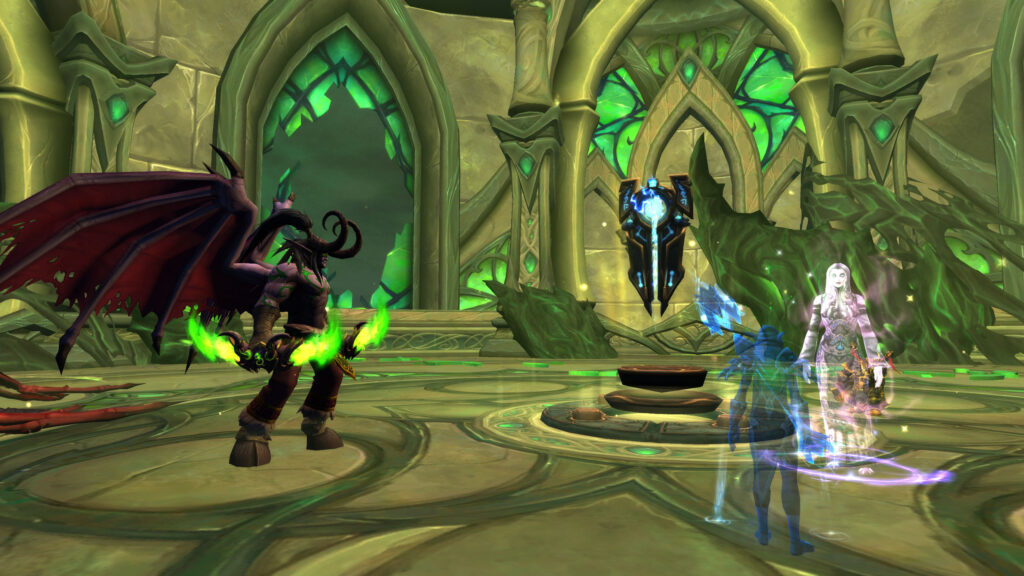
Blizzard’s environmental storytelling builds emotion through atmosphere, silence, and detail. The world speaks through its landscapes, inviting players to interpret meaning in every corner they explore. Without a single word spoken, the environment guides emotion, reveals history, and enriches every expansion’s narrative. It remains one of the game’s most powerful forms of storytelling.