

Just as you’ve evolved over the years, so too has World of Warcraft, particularly in its class systems. You’ve seen firsthand the transformation from the game’s humble beginnings, with a mere handful of classes, to the current complex matrix of specializations and roles. Each new expansion seems to bring another round of class overhauls, doesn’t it? Hybrid classes, talent revamps, new thematic abilities – all aimed at increasing diversity and enhancing your gaming experience. But does this constant change truly improve the game, or does it merely complicate what was once a simpler, more straightforward system? We’ll explore this quandary further.
Key Takeaways
- WoW has evolved class diversity and gameplay mechanics to improve player experience.
- Expansion packs have significantly impacted class identity and role diversity, often changing gameplay mechanics.
- Notable class overhauls, like the Warrior and Paladin, aimed for identity enhancement and gameplay diversity.
- Player reception to class changes has been mixed, with some appreciating innovation and others preferring nostalgia.
- Future directions for WoW classes include speculative abilities, hybrid roles, and a renewed focus on class identity.
Evolution of Class Design in WoW
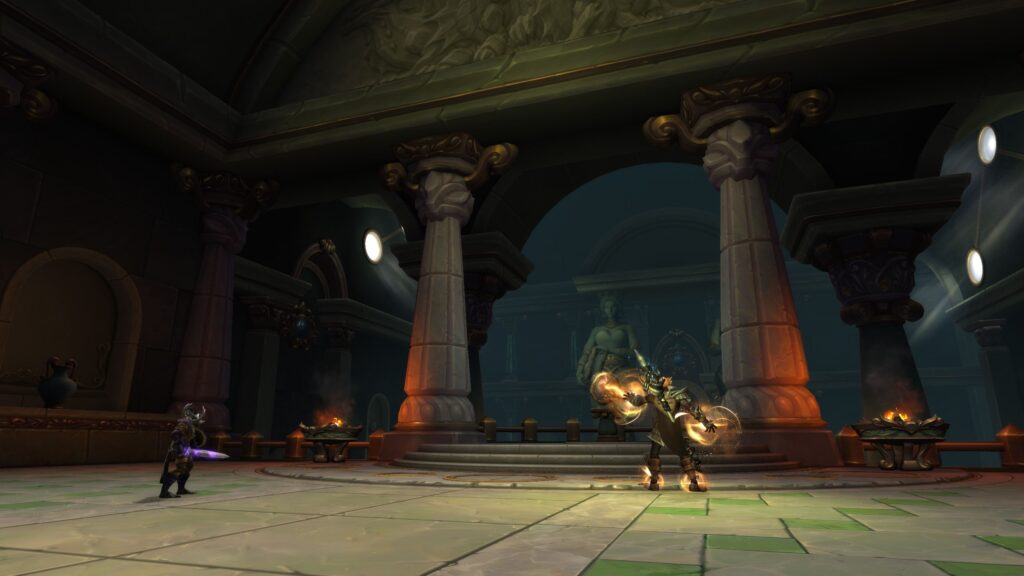
You’ve probably noticed how the class design in World of Warcraft (WoW) has transformed over the years. The game’s creators have been steadily reimagining class diversity and gameplay mechanics to keep the experience thrilling and fresh.
In the early stages, WoW was celebrated for its unique role specialization. You’d pick a class based on your desired role: tank, healer, or damage dealer. The hybrid classes, such as the Druid or Paladin, were attractive for their ability to fulfill multiple roles, albeit with less proficiency. The original talent trees gave players the freedom to customize their class identity, defining their character’s abilities to suit their playstyle.
However, balancing these classes for Player versus Player (PvP) combat became a substantial challenge. As a result, Blizzard shifted to more streamlined class designs. The talent trees were simplified, class abilities were pruned, and hybrid classes were made to be as competitive as pure classes in their chosen roles. While these changes may have affected the unique class identity, they have immensely improved PvP balance and overall gameplay. Whether it’s for better or worse, the evolution of class design in WoW is undeniable.
Impact of Expansion Packs on Classes
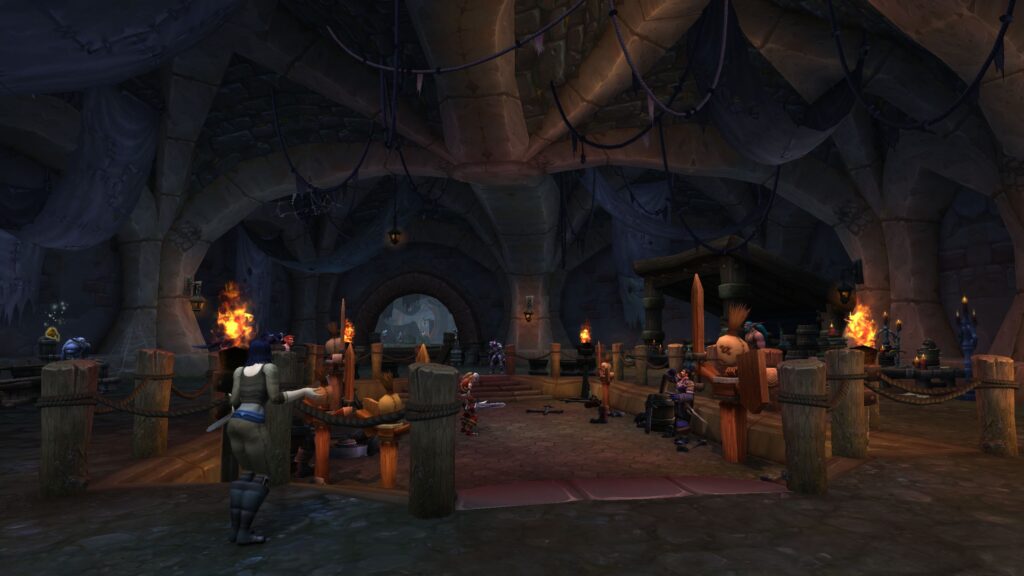
Every expansion pack that WoW introduces brings about significant changes to the game’s classes. It’s not just about adding new abilities or tweaking stats; it’s about completely redefining class identity and role diversity.
For example, an expansion might introduce a new talent system. This could dramatically change gameplay mechanics, forcing you to rethink your strategies. The changes aren’t always welcomed by players, but it’s undeniable that they add a new layer of depth and complexity to the game.
Expansion packs also often introduce new hybrid classes, further blurring the lines between traditional roles. These classes offer a unique blend of abilities, enhancing role diversity. However, they also present a challenge for class balance. It’s not easy to make sure every class is equally viable without homogenizing them.
Furthermore, each expansion also comes with a distinct thematic design. This can have a major impact on classes, as it often influences the aesthetic and narrative direction of their abilities and gear. It’s a delicate balancing act, maintaining the core identity of a class while also innovating and adapting to the game’s ever-evolving landscape.
Noteworthy Class Overhauls and Updates
Over the years, several class overhauls in WoW have truly shaken up the gameplay. These updates were a response to community feedback, aiming for balance adjustments and more thematic coherence within class identities. Specialization diversity and role flexibility were also greatly enhanced, adding depth to the gameplay mechanics.
Here are four notable overhauls:
- The Warrior class, previously known for its rigid role, saw increased flexibility with distinct specializations that enhanced its identity.
- The Hunter class underwent a complete revamp in its pet system, reinforcing the class’s unique bond with nature and adding to its thematic coherence.
- The Paladin class, once criticized for lack of specialization diversity, was given distinct roles and abilities, cementing its class identity.
- The Mage class saw a major change in its magic system, improving its balance and diversifying gameplay mechanics.
Each overhaul aimed to improve the overall gaming experience, making classes more engaging and fun to play. Through these changes, WoW has continuously redefined its classes, keeping the game fresh and exciting for you, the player.
Player Reception to Class Changes
So, how have players reacted to these class changes over the years? The player feedback has been a mix of cheers and jeers. While some players appreciate the developers’ design philosophy, focusing on class balance and role diversity, others lament the loss of the nostalgia factor.
Community reactions have varied greatly. Some players embrace the evolving gameplay mechanics, considering them an exciting challenge. They appreciate the efforts to make each class responsive to different combat situations, adding depth to the game. Player feedback also shows that many enjoy the increased role diversity, which lets them experiment with different styles of gameplay.
On the other hand, there are players who think these changes have gone too far. They miss the simplicity of the earlier versions, and the nostalgia factor plays a big role in their criticism. They believe that the constant tweaks to class balance have made the game too complex, straying from the original design philosophy of WoW.
In essence, the reception has been polarized, with players either embracing the new direction or longing for the past. But remember, the developers are always listening to player feedback and aiming for balance.
Future Directions for WoW Classes
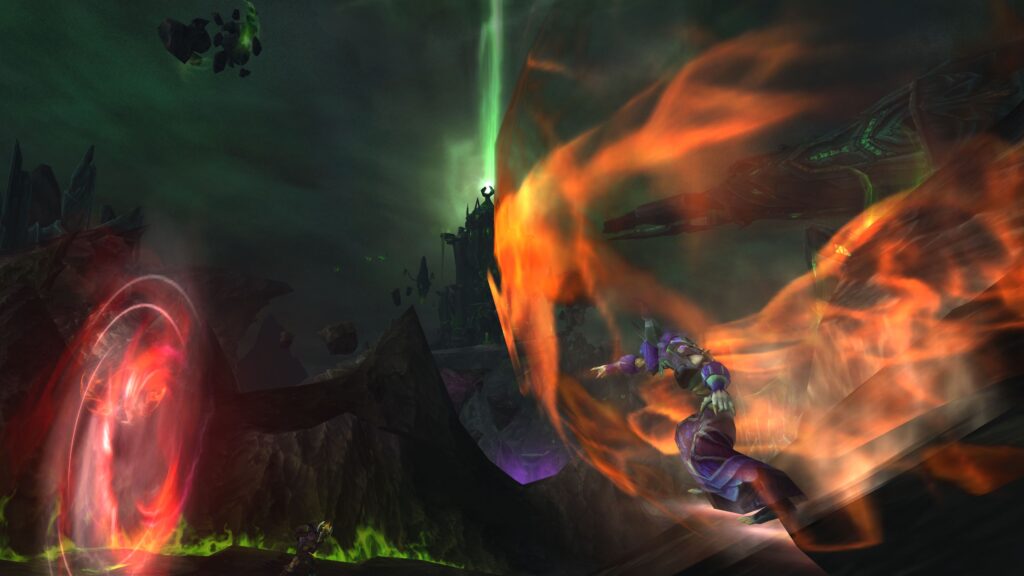
Despite the mixed reactions to the past changes, let’s consider what lies ahead for WoW classes. The developers’ design philosophy is taking a new direction, focusing on your class identity and lore integration. They’re listening to community feedback and working to maintain gameplay balance.
Here’s what you can expect:
- Speculative abilities: New abilities are being brainstormed that will redefine your gameplay, making every class unique and engaging.
- Hybrid roles: The rigid class roles are making way for hybrid ones, allowing more versatility and adaptability in combat situations.
- Class identity: There’s a renewed emphasis on class identity. You’ll feel more connected to your character’s class, with the lore being interwoven into your abilities and roles.
- Community feedback: The developers are putting more weight on player feedback, making sure that the changes they introduce enhance your gaming experience.
Frequently Asked Questions
What Was the First Class Introduced in World of Warcraft?
In the initial release of WoW, multiple classes were introduced simultaneously. You’d find the Warrior archetype, Mage evolution, Rogue stealth, Priest healing, Hunter pets, Druid versatility, and Warlock demons all from the start.
How Has the Class Selection Process Changed Over the Years?
Ever noticed how WoW’s class selection evolved? It’s all about gameplay balance, role specialization shifts, and player feedback. Hybrid classes emerged, class identities developed, and competitive viability altered. It’s a continuous cycle of class diversity evolution.
Did Any Classes Get Removed From the Game Entirely?
No, WoW hasn’t entirely removed any classes. They’ve tweaked and redesigned, impacting gameplay and causing mixed player reactions. Their design philosophy values legacy, future class changes are guided by community discussions.
How Did the Introduction of New Races Affect the Class Dynamics?
The introduction of new races shook up WoW’s class dynamics. Racial abilities offered unique advantages, altering class synergies. Cultural influences impacted lore integration, while gameplay balance sparked community reactions. It was a game-changer, truly.
Has Blizzard Ever Introduced New Class Mechanics Outside of Expansion Packs?
Yes, Blizzard’s often tweaked class mechanics outside expansions. They’ve adjusted gameplay balance, considered player feedback, and redefined class identities. Hybrid classes emerged, roles specialized, and talent systems were overhauled, all shaping WoW’s dynamic evolution.
Conclusion
As you journey through Azeroth, remember, your class isn’t just a set of abilities – it’s a symbol of your journey, your evolution. WoW’s class redesigns, like the seasons, have brought change, sometimes welcomed, other times less so. Yet, each shift has a purpose, sculpting a varied landscape to explore. So, embrace these changes, adventurer, for they represent not just the future of WoW, but the ongoing saga of your own heroic tale.
Home