
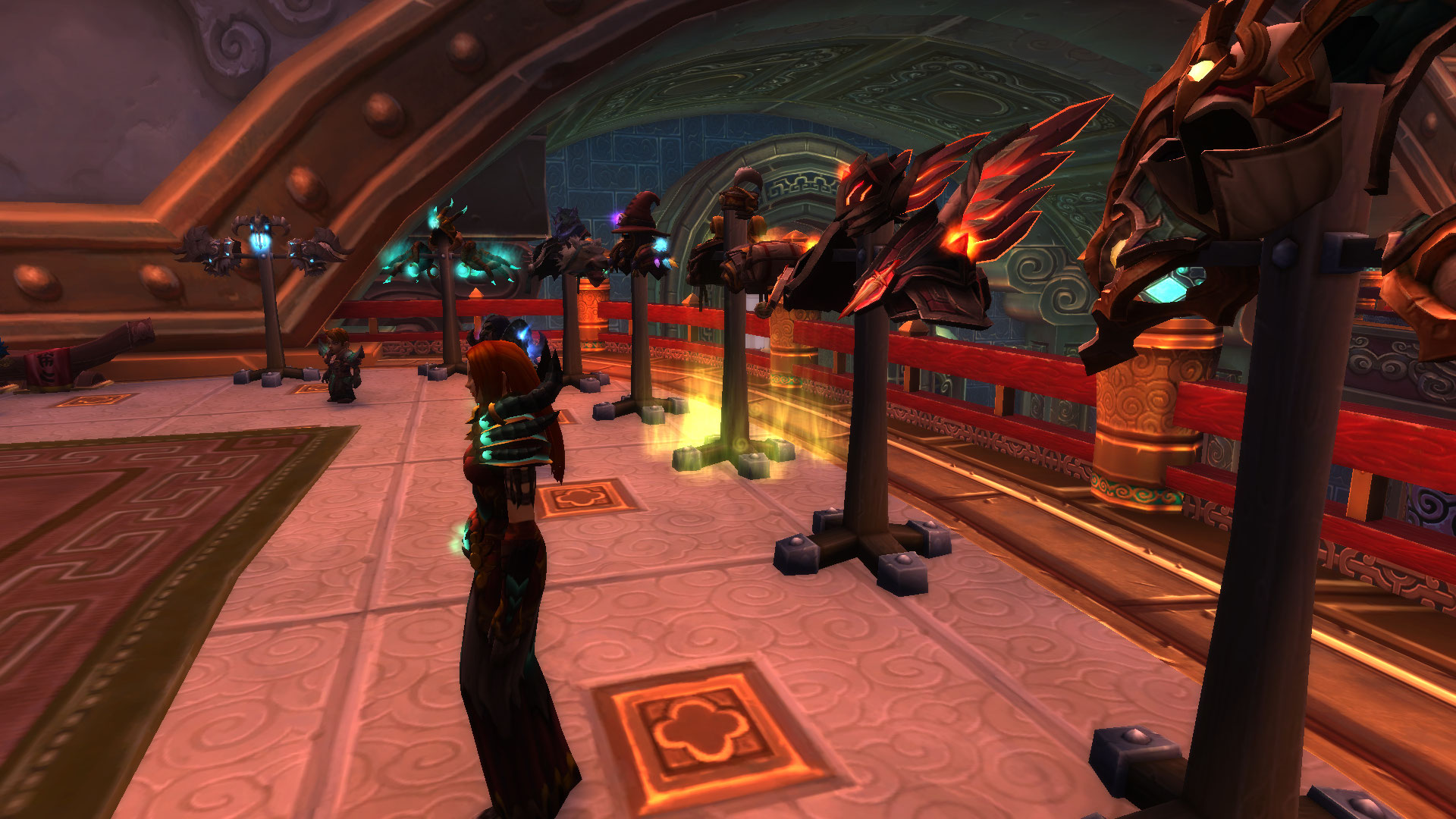
The Challenge Mode sets introduced in the Mists of Pandaria (MoP) expansion of World of Warcraft revolutionized the incentive structure for small-group content. These sets not only provided aesthetic rewards but also fostered a competitive environment that encouraged players to optimize their gameplay. By focusing on skill and teamwork, the Challenge Modes became a hallmark of engaging small-group content, setting a standard for future expansions.
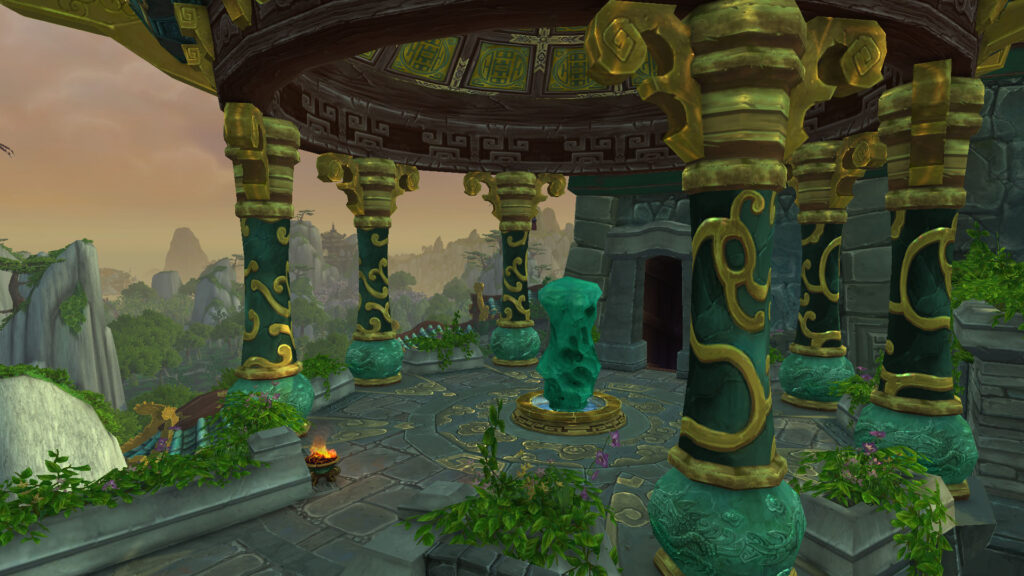
What Made MoP’s Challenge Mode Sets Unique?
The Challenge Mode sets were unique due to their focus on skill-based rewards, competitive rankings, and the aesthetic appeal of the gear.
Unlike traditional gear acquisition methods that relied heavily on luck or time investment, MoP’s Challenge Modes emphasized player skill and coordination. The sets were visually striking, offering a distinct look that signified achievement and mastery. This visual differentiation motivated players to engage in small-group content, as the gear was not only a status symbol but also a testament to their capabilities. Furthermore, the competitive rankings introduced a layer of urgency and excitement, pushing players to improve their performance and collaborate more effectively with their teams.
The Challenge Modes also provided a structured environment where players could measure their progress against others. The time trials encouraged teams to optimize their strategies, leading to a deeper understanding of dungeon mechanics and synergy among classes. This focus on mastery and improvement fostered a community of players dedicated to refining their skills, making the Challenge Modes a cornerstone of the MoP experience.
How Did Challenge Modes Encourage Teamwork and Strategy?
Challenge Modes encouraged teamwork and strategy by requiring players to coordinate their abilities and optimize their class synergies.
To succeed in Challenge Modes, teams had to develop intricate strategies that leveraged each class’s strengths. This often involved detailed planning around cooldowns, crowd control, and damage mitigation. For example, a well-timed use of a tank’s defensive cooldown could save the group from a wipe, while a healer’s ability to manage mana efficiently was crucial for sustained performance. The necessity for clear communication and role assignment meant that players had to work closely together, fostering a sense of camaraderie and shared purpose.
Moreover, the design of the dungeons themselves encouraged exploration of different strategies. Certain encounters could be tackled in multiple ways, prompting teams to experiment with various tactics. This not only kept the gameplay fresh but also allowed for a deeper understanding of the game mechanics. Players learned to adapt on the fly, adjusting their strategies based on the challenges they faced, which ultimately led to more rewarding gameplay experiences.
- Establish clear roles for each team member to maximize efficiency.
- Communicate cooldown usage to ensure optimal timing during critical moments.
- Experiment with different class combinations to find the most effective synergies.
- Review past runs to identify areas for improvement and strategy adjustments.
What Were the Rewards for Completing Challenge Modes?
The rewards for completing Challenge Modes included unique gear sets, titles, and the prestigious ability to showcase achievements.
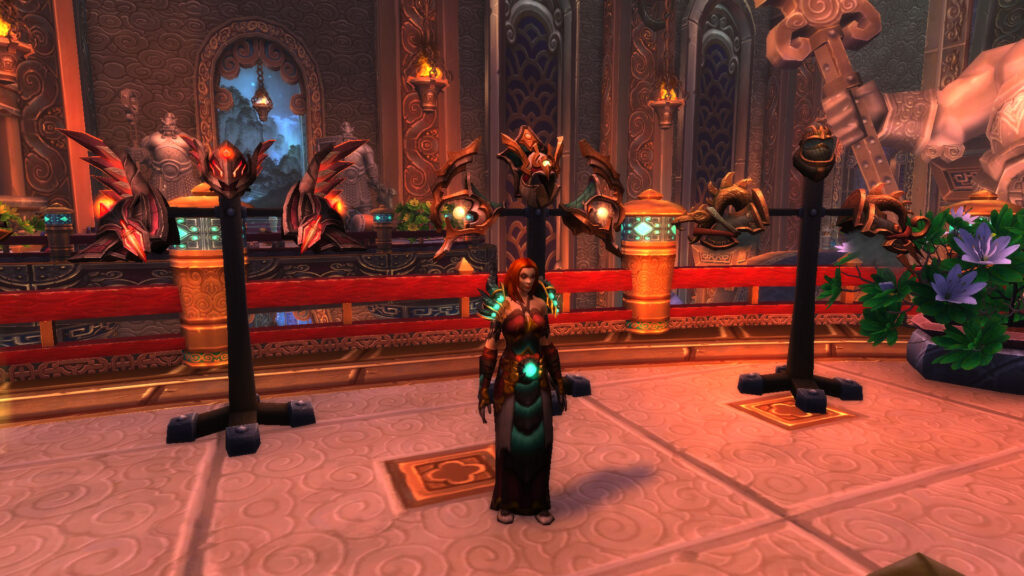
The primary reward for completing Challenge Modes was the exclusive gear sets that players could earn. These sets were not only visually appealing but also served as a badge of honor within the community. Players who completed the modes in a timely manner were also awarded titles that further distinguished them from others. This recognition created a sense of pride and accomplishment, motivating players to push their limits and strive for excellence.
Additionally, the Challenge Modes offered a competitive leaderboard system, allowing players to compare their times against others. This aspect of competition incentivized players to refine their strategies and improve their performance continually. The desire to climb the rankings and achieve faster times created an engaging loop of progression and challenge, keeping players invested in the small-group content long after the initial completion of the dungeons.
| Reward Type | Description | Significance | Example |
|---|---|---|---|
| Gear Sets | Exclusive visual sets earned through completion | Signified mastery and achievement | Challenge Mode Gold Set |
| Titles | Unique titles awarded for completion | Enhanced player status and recognition | “The Challenge Conqueror” |
| Leaderboards | Competitive rankings based on completion times | Encouraged ongoing competition and improvement | Top 100 Rankings |
How Did Challenge Modes Impact the Community?
The Challenge Modes significantly impacted the community by fostering a culture of competition and collaboration among players.
As players engaged in Challenge Modes, they formed communities centered around optimizing their runs and sharing strategies. This led to the creation of guides, forums, and videos dedicated to mastering the content, which enriched the overall player experience. The competitive nature of the Challenge Modes also encouraged players to form dedicated teams, leading to the establishment of friendships and alliances that extended beyond the game itself. This sense of community was vital in keeping players engaged and invested in the game long-term.
Furthermore, the Challenge Modes set a precedent for future expansions, influencing how small-group content was designed and rewarded. The emphasis on skill and teamwork became a benchmark for subsequent content, as developers recognized the value of creating engaging and rewarding experiences for players. The legacy of the Challenge Modes continues to resonate within the community, as players still seek out challenging content that fosters collaboration and competition.
What Lessons Can Be Learned from MoP’s Challenge Modes?
Lessons from MoP’s Challenge Modes include the importance of skill-based rewards, community engagement, and fostering a competitive environment.
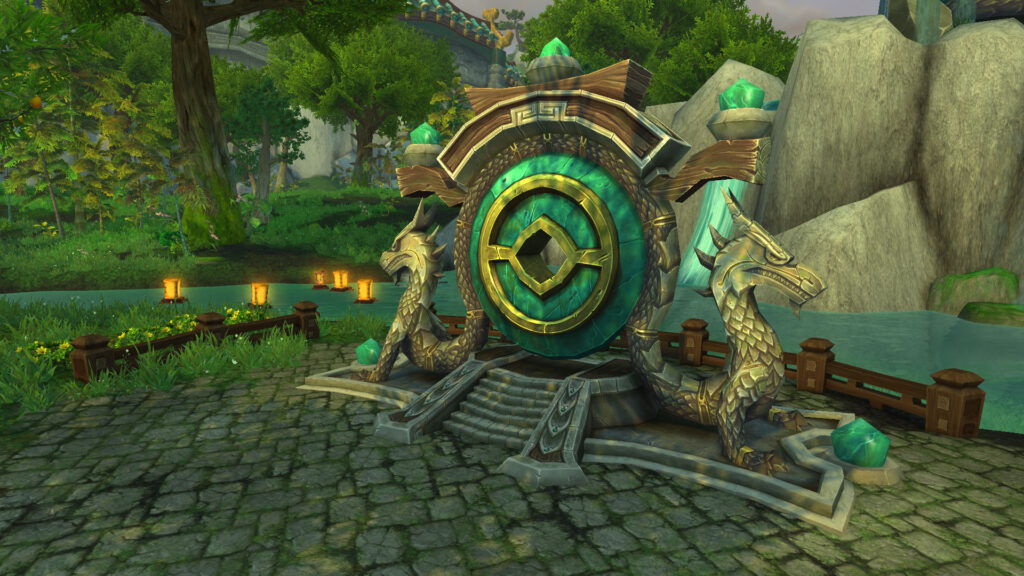
One of the key takeaways from the Challenge Modes is the effectiveness of skill-based rewards in motivating players. By providing exclusive gear and titles based on performance rather than luck, players felt a greater sense of accomplishment. This approach not only incentivized participation but also encouraged players to improve their skills and work collaboratively with their teams. Additionally, the community-driven nature of the Challenge Modes highlighted the importance of player interaction in enhancing the gaming experience.
Moreover, the competitive aspect of the Challenge Modes demonstrated that players thrive in environments where they can measure their progress against others. This has implications for future content design, suggesting that developers should consider incorporating similar competitive elements to engage players. Overall, the success of the Challenge Modes serves as a blueprint for creating compelling small-group content that resonates with players and fosters long-term engagement.
Frequently Asked Questions
What were the main features of MoP’s Challenge Modes?
The main features included time trials for dungeons, exclusive gear sets, and competitive leaderboards. These elements encouraged players to optimize their strategies and work together effectively to achieve the best results.
How did players benefit from participating in Challenge Modes?
Players benefited by earning unique rewards, enhancing their skills, and forming strong community bonds. The Challenge Modes provided a platform for players to showcase their abilities and engage with others who shared similar goals.
What impact did Challenge Modes have on future expansions?
The Challenge Modes set a precedent for future expansions by emphasizing skill-based rewards and competitive gameplay. This influence can be seen in subsequent content that seeks to engage players through similar mechanics and community-focused experiences.