
The encounters with Bloodlord Mandokir and High Priest Thekal in Zul’Gurub are celebrated for their intricate designs and enduring appeal among players. These bosses exemplify a blend of mechanics, lore, and challenge that resonates with both casual and hardcore players. Understanding what makes these encounters stand out is crucial for appreciating their legacy in the gaming community. This guide delves into the mechanics, strategies, and cultural significance of these encounters, providing insights into their lasting impact.
What are the key mechanics of Bloodlord Mandokir’s encounter?
Bloodlord Mandokir’s encounter features unique mechanics that demand coordination and strategy from players, including his powerful abilities and the threat of his raptor, Zin’rokh.
Mandokir’s fight is characterized by his ability to summon a raptor that targets players, which adds a layer of urgency to the encounter. Players must manage their positioning to avoid being overwhelmed by both Mandokir and Zin’rokh. Additionally, Mandokir’s “Cleave” ability can deal significant damage to players in close proximity, requiring careful tanking strategies. The encounter also includes a mechanic where players can be feared, which can disrupt the group’s formation and lead to chaos if not managed properly. The combination of these mechanics creates a dynamic environment where players must constantly adapt to changing conditions.
- Ensure proper tank positioning to absorb Mandokir’s Cleave damage.
- Assign a player to handle Zin’rokh while the rest focus on Mandokir.
- Utilize crowd control abilities to manage fear effects effectively.
- Maintain communication among team members to coordinate movement and positioning.
How does High Priest Thekal’s encounter challenge players?
High Priest Thekal’s encounter presents a multifaceted challenge, combining healing mechanics, adds management, and the need for precise timing.
Thekal’s fight is notable for his ability to heal himself and his summoned adds, which can overwhelm unprepared groups. Players must prioritize interrupting his healing spells while simultaneously managing the adds that spawn throughout the encounter. The mechanics require players to balance their focus between dealing damage to Thekal and controlling the adds, creating a tension that keeps the encounter engaging. Additionally, Thekal’s “Divine Storm” ability can deal massive area damage, necessitating careful positioning and movement from the raid group. This combination of mechanics ensures that players must remain vigilant and adaptable throughout the fight.
To succeed against Thekal, players should develop a strategy that includes assigning specific roles for interrupting healing and managing adds. For example, designating a few players to focus solely on interrupting Thekal while others handle the adds can streamline the encounter. Utilizing cooldowns effectively during high-damage phases is also crucial, as it can mitigate the risk of wipe scenarios. The encounter’s design encourages teamwork and communication, making it a memorable experience for players.
What environmental factors enhance the encounters with Mandokir and Thekal?
The environments in which Mandokir and Thekal are fought play a significant role in enhancing the overall encounter experience.
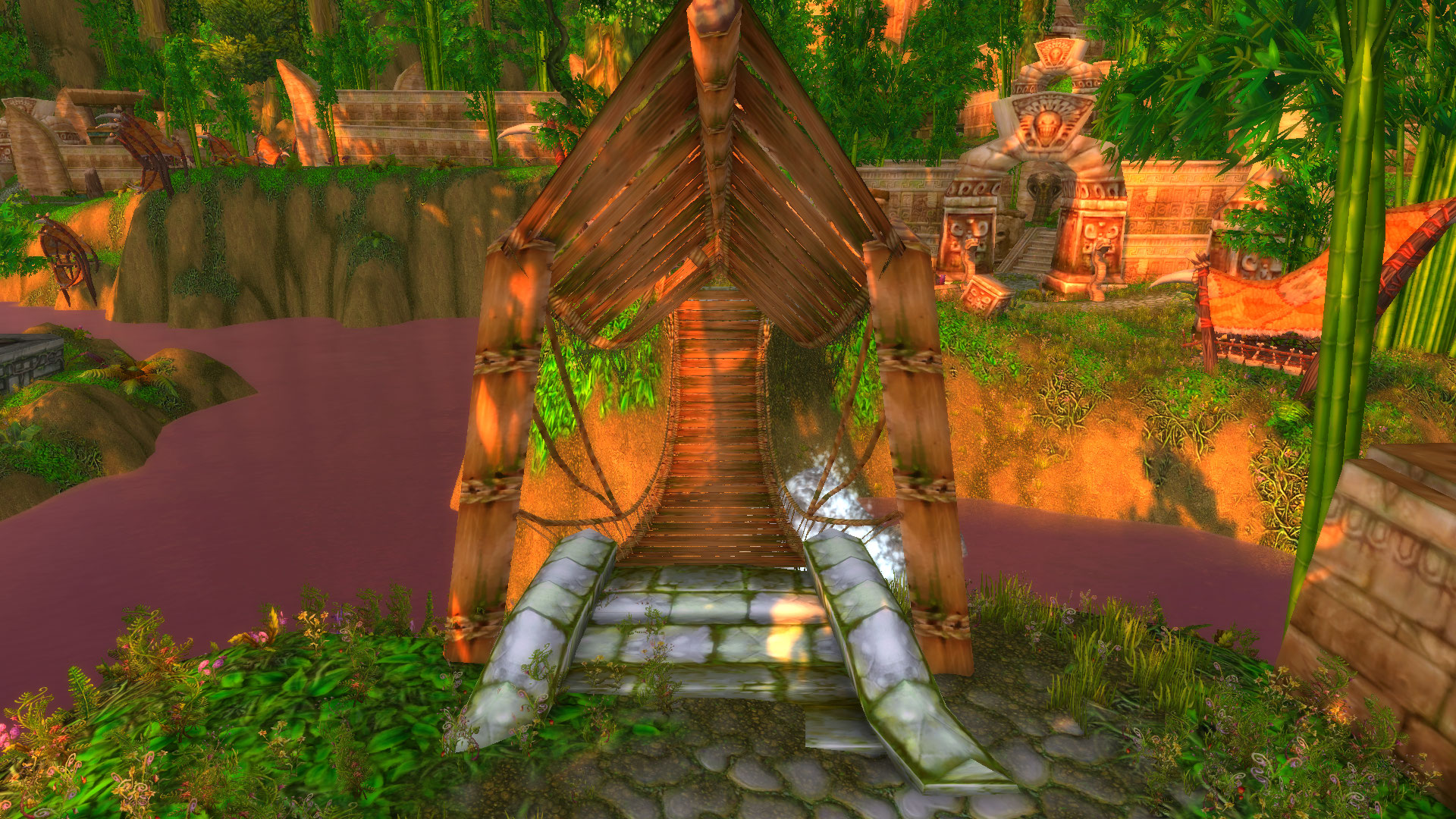
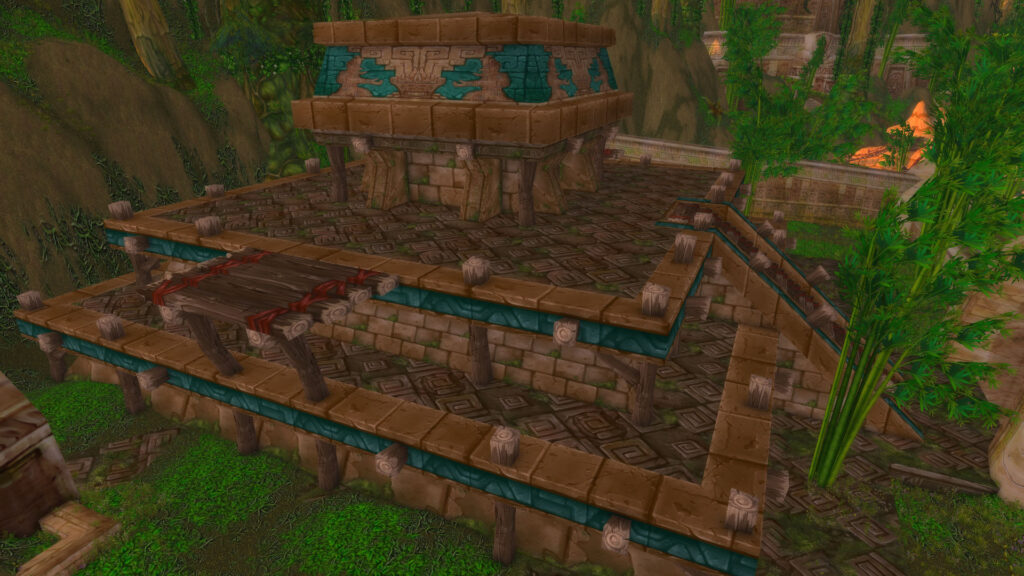
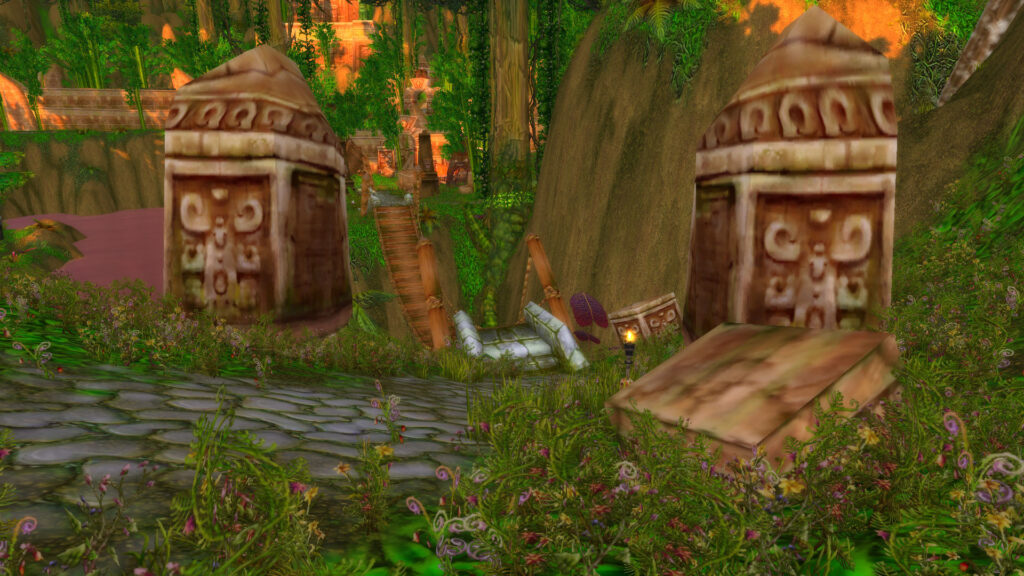
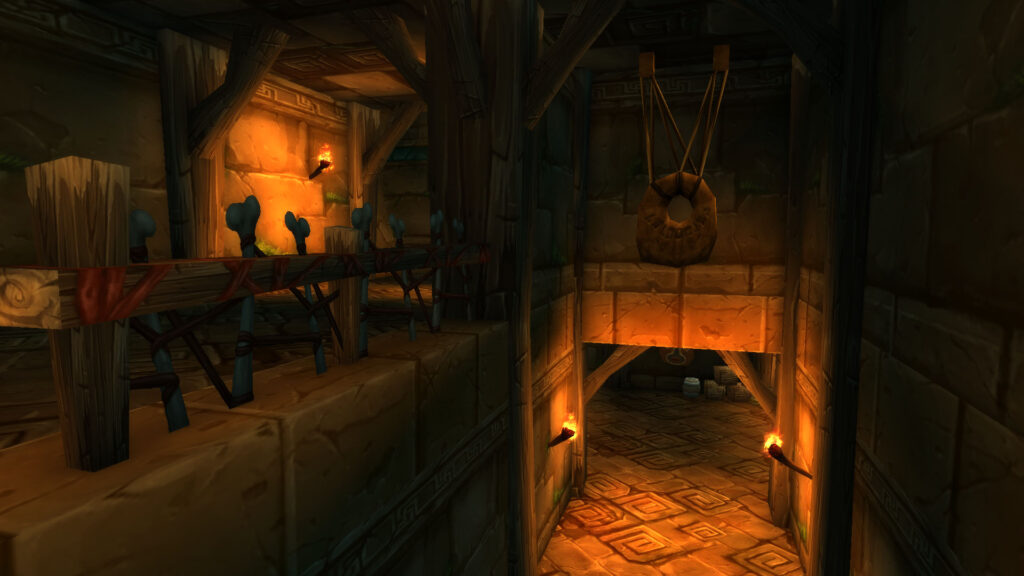
Zul’Gurub’s design features lush jungles and intricate temple architecture that create an immersive atmosphere. The layout of the encounter areas is designed to complement the mechanics of each fight, with obstacles and terrain features that players can use to their advantage. For instance, the positioning of pillars can provide cover from certain abilities, while the open spaces allow for strategic movement during high-pressure moments. Additionally, the ambient sounds and visual effects contribute to the overall tension and excitement of the encounters, making players feel more engaged in the battle.
What are the notable statistics and mechanics for Mandokir and Thekal?
Understanding the statistics and mechanics of Mandokir and Thekal provides insight into their design and player strategies.
The following table outlines key statistics and mechanics for both encounters, highlighting their unique challenges and player requirements. This data can help players prepare for these fights by understanding the necessary strategies and roles within their group.
| Boss | Key Mechanics | Damage Types | Recommended Roles |
|---|---|---|---|
| Bloodlord Mandokir | Summons Zin’rokh, Cleave, Fear | Physical, AoE | Tank, DPS, Healer |
| High Priest Thekal | Healing, Adds, Divine Storm | Magic, AoE | DPS, Healer, Interrupts |
| General Strategy | Positioning, Communication, Role Assignment | Varied | All Roles |
How can players optimize their strategies for Mandokir and Thekal?
Players can optimize their strategies for Mandokir and Thekal by focusing on communication, role specialization, and cooldown management.
Effective communication among team members is critical for success in these encounters. Players should establish clear roles and responsibilities before engaging in the fights, ensuring that everyone knows their tasks. For example, designating specific players to interrupt Thekal’s healing spells can streamline the encounter and reduce the risk of failure. Additionally, managing cooldowns during high-damage phases can significantly enhance survivability, allowing players to withstand the intense pressure of the fights.
What expert tips can enhance long-term mastery of Mandokir and Thekal?
To achieve long-term mastery of Mandokir and Thekal, players should focus on practice, adaptability, and learning from each attempt.
Regular practice is essential for mastering the mechanics of these encounters. Players should engage in multiple runs to familiarize themselves with the fight dynamics and develop muscle memory for key movements and abilities. Additionally, adaptability is crucial; players should be prepared to adjust their strategies based on the group’s performance and the specific challenges encountered during each attempt. Learning from past experiences, including analyzing wipe scenarios, can provide valuable insights into improving future attempts.
Frequently Asked Questions
What are the best classes to bring for these encounters?
Classes that can provide strong crowd control, healing, and damage mitigation are ideal for these encounters. Tanks, healers, and DPS classes with interrupt capabilities are particularly valuable. Classes like Paladins and Druids can excel due to their versatility in handling various mechanics.
How do I prepare for the encounters with Mandokir and Thekal?
Preparation involves understanding the mechanics, assembling a balanced team, and ensuring everyone knows their roles. Players should also consider gear optimization and consumables to enhance their performance during the fights.
What are the common mistakes players make during these encounters?
Common mistakes include poor positioning, failure to interrupt key abilities, and lack of communication. Players often underestimate the importance of managing adds, which can lead to overwhelming situations if not handled properly.
Can these encounters be soloed or are they strictly group content?
While these encounters are designed for group play, some players may attempt to solo them at higher levels with the right gear and strategy. However, the mechanics are significantly more challenging when tackled alone, making group content the recommended approach.